


Every election cycle comes with a familiar drumbeat about the importance of registering as a voter, but this time the focus is on a new generation that has been shaking the system everywhere, Gen Z. These are the digital natives born into the internet, the ones who understand memes better than manifestos, and yet hold in their hands the single most powerful tool to shape their future, the voter’s card.
For many, the process of voter registration feels outdated. Queuing at dusty registration desks, filling endless forms, and dealing with clerks who treat you like you are disturbing their day does not sound appealing to a generation used to instant apps and online banking. But ignoring it means giving up your say on who runs your country, your county, and even your ward. Gen Z is stepping into politics at a time when global economies are shaky, jobs are shrinking, climate change is real, and governments are constantly being accused of corruption. Not registering to vote is like surrendering your right to complain later.
The law is clear. No matter how loudly you rant online, without being a registered voter, your opinions remain just noise. In Kenya, for example, the Constitution gives every citizen above 18 the right to vote, but it is only activated once you are on the official voters’ register. Other African countries operate the same way, making voter registration the gate pass to political participation. The figures show just how serious it is. Millions of eligible young voters sit out of elections simply because they never registered, effectively letting older generations decide who leads.
What makes this particularly urgent is the size of Gen Z. In most African countries, the youth make up more than 60 percent of the population. Imagine the power that comes with that kind of majority. If every young person lined up to register and eventually voted, entire election outcomes would tilt overnight. Leaders would suddenly stop ignoring issues of tuition, climate, youth unemployment, digital rights, and start addressing them head-on because that is what the majority wants.
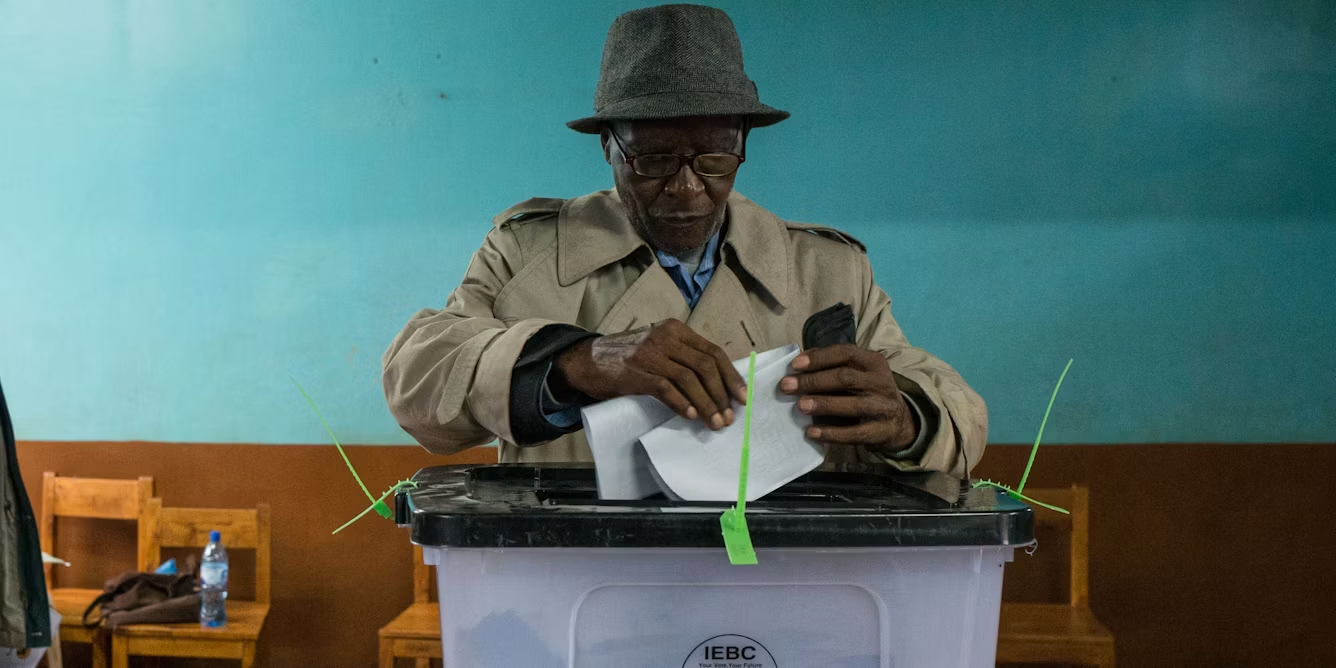
The process itself, while boring, is not complicated. All it takes is presenting your national ID or passport, showing up at a registration center, and making sure your details are captured correctly. What Gen Z needs to pay attention to is accuracy. A small spelling mistake or wrong polling station could lock you out on election day. Technology has tried to simplify things with biometric kits and digital registers, but glitches still happen. That is why double-checking your registration status matters.
The power of Gen Z goes beyond just registering and voting. Social media has made it possible to monitor elections, expose malpractice, and organize campaigns faster than political parties can print posters. When young people combine registration with active participation, fact-checking candidates, challenging policies, and mobilizing peers, they turn into the real opposition regardless of which party is in power. This is why many governments quietly fear a politically active Gen Z, because once young voters are registered in massive numbers, their influence is impossible to suppress.
Those who dismiss registration just because of a piece of paper is missing the bigger picture. Registration is not the endgame; it is the entry point to changing bad leadership. History shows us that the biggest political shifts often start with frustrated young people demanding better, whether in South Africa during apartheid, in Tunisia during the Arab Spring, or in Nigeria during the #EndSARS movement. What makes the difference is whether they translate their online outrage into real votes backed by real numbers.
The excuses Gen Z gives for skipping registration, lack of time, distrust of politicians, or the belief that their vote does not count, only strengthen the very system they despise. Not showing up to register is a quiet vote of confidence in the status quo. On the other hand, registering creates leverage. Even if the system is broken, a generation that shows up in large numbers can force reforms, whether through ballot pressure, petitions, or mass turnout that shocks the old guard.
Ultimately, the call to Gen Z is simple: get that voter’s card. It is not just a document; it is your bargaining chip in a world that constantly sidelines the young. Refusing to register is like handing your future to people who will not live long enough to face the consequences of today’s decisions. Registering, on the other hand, shouts, we are here, we are watching, and we are ready to decide.











Leave a Reply