


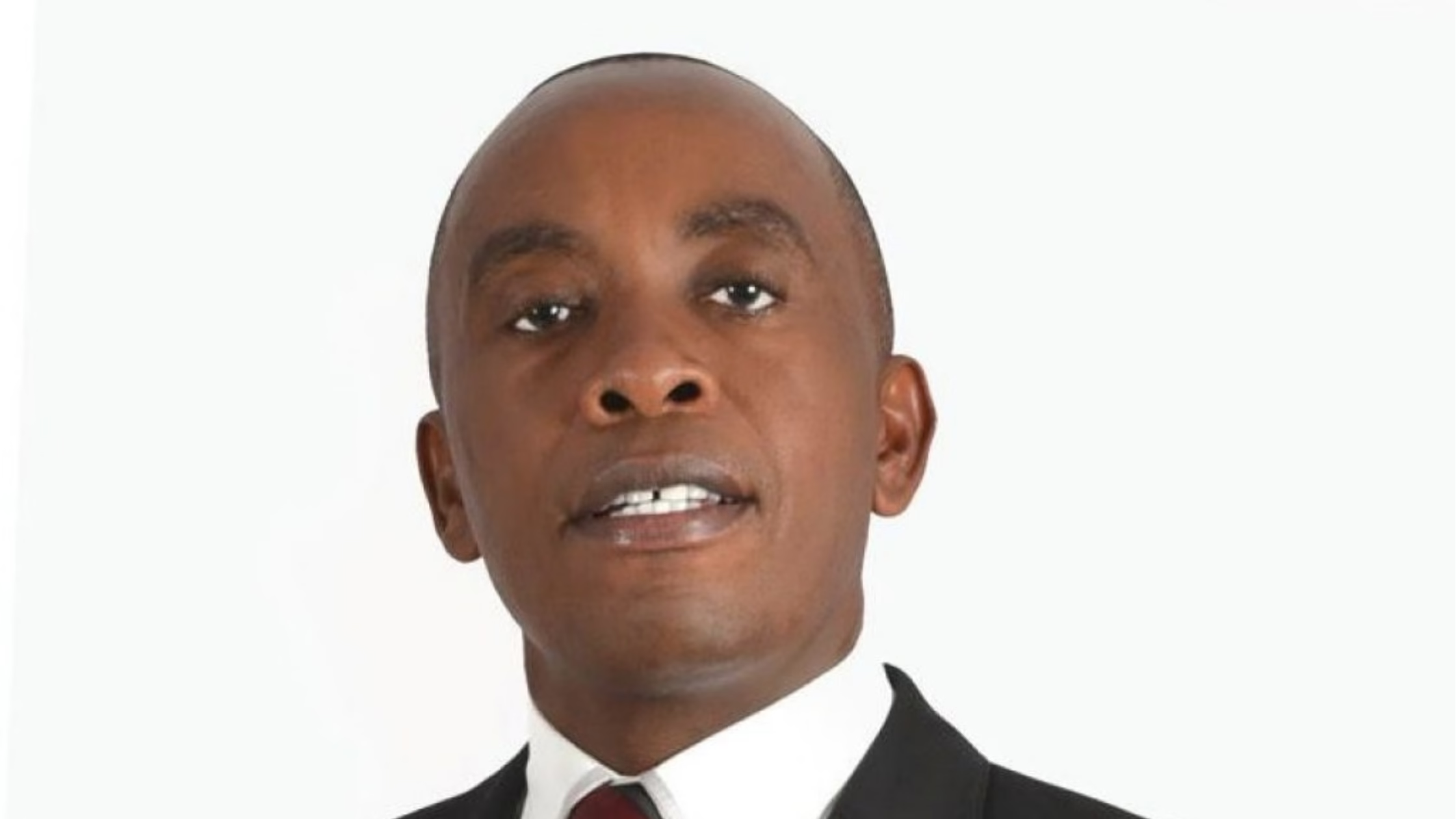
Trans Nzoia Governor George Natembeya was arrested today on May 19, 2025, by the Ethics and Anti-Corruption Commission (EACC) over allegations of embezzling Ksh 1.4 billion in county funds. The EACC raided his Kitale home, targeting irregular procurement in projects like Kenyatta Stadium and Tom Mboya Hospital. The governor’s supporters protested, claiming the arrest was politically motivated due to Natembeya’s criticism of the government.
The arrest process raises legal concerns about procedural fairness. Under Kenya’s Constitution, Article 29 guarantees freedom from arbitrary arrest. In the matter of David Ochieng v. Republic (2017) the emphasized that arrests must follow due process, with clear grounds communicated to the accused. Natembeya’s lawyer claimed he was denied legal access, which could violate this principle.
The Nantinda v. Minister of Safety and Security (2022) case from Namibia highlights that excessive force or unlawful conduct during arrests can lead to claims of rights violations. This may apply if Natembeya’s legal team proves police overreach.
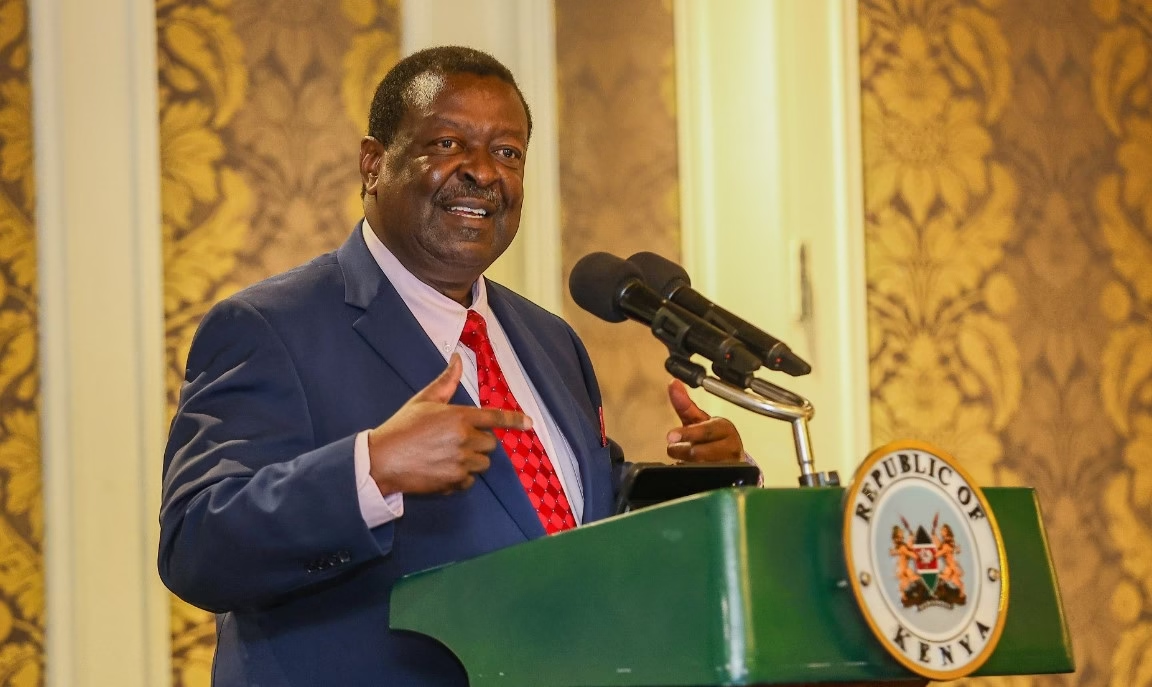
Opposition leaders, like Kalonzo Musyoka, alleged that the arrest aimed to tarnish Natembeya’s reputation with various anti-government leaders such as Rigathi Gachagua and MP Salasya being targeted.
The Chandrabhan Yadav v. State of Maharashtra (2024) case from India stresses that arrests must be backed by solid evidence, not circumstantial claims. If the EACC’s evidence is weak, Natembeya could challenge the arrest’s legality.
Natembeya’s case showcases tensions between state power and political dissent. In Premachandra v. Jayawickrema (1994) from Sri Lanka, arrests targeting political leaders must be scrutinized to prevent abuse of authority. As the case unfolds, courts will likely examine whether the EACC acted lawfully, whether the governor is indeed guilty , and whether politics is behind this.







Wealth Management
The arrest of Governor Natembeya raises serious questions about the integrity of our justice system. Is this truly about corruption, or is it a political witch hunt? The allegations of embezzlement are grave, but the timing and manner of the arrest seem suspicious, especially given his vocal criticism of the government. If due process was indeed violated, as his lawyer claims, this sets a dangerous precedent for all leaders who dare to speak out. The protests by his supporters highlight the deep divisions and mistrust in our political landscape. How can we ensure that such cases are handled transparently and fairly, without political interference? What evidence does the EACC have to justify such a high-profile arrest? This case could either restore faith in our institutions or further erode it—what’s your take on it?