


Issues the Court Considered
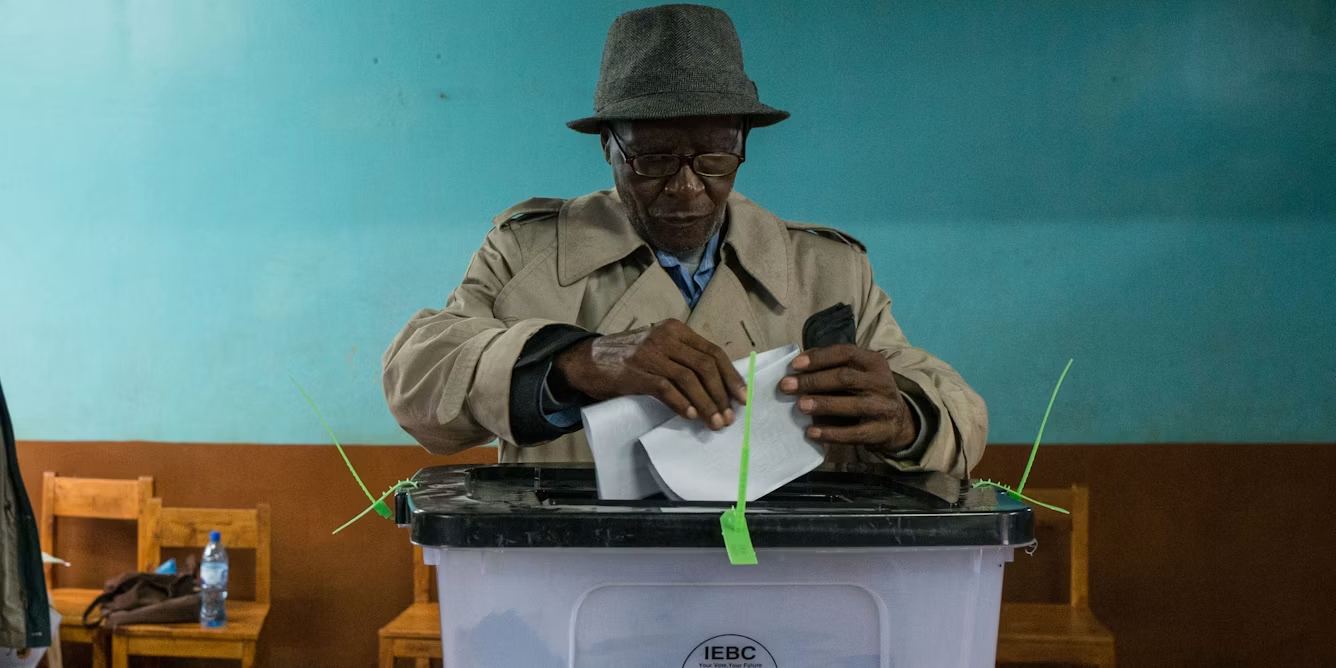
The High Court in Nakuru examined if it had jurisdiction to hear the case, whether the petition met constitutional standards, and if early political campaigns violated rights like equality, life, and freedom from violence. It also assessed if public officers campaigning early broke laws, if respondents failed their duties, and what remedies to grant.
Arguments by the Petitioner
The Legal Advice Centre argued that early campaigns before the IEBC’s set period (May 29 to August 6, 2022) were illegal, violating rights to equality, life, and freedom from violence by giving unfair advantages and raising violence risks, citing incidents like the attack on Hon. Esther Passaris’s convoy. They claimed economic and public service disruptions, seeking declarations and orders for candidate deregistration and new laws.
Arguments by Respondents and Interested Parties
The IEBC admitted early campaigns but said it lacked authority outside the election period, pointing to the DPP and others for action. The Attorney General and Inspector General argued the court lacked jurisdiction and the petition lacked specifics. Political parties like United Democratic Alliance denied campaigning early, calling the claims speculative and asserting activities were internal deliberations.
What the Court Held
On June 9, 2025, the court affirmed its jurisdiction and found the petition valid. It ruled that early campaigns violated equality, life, and violence-free rights, undermining fair elections. No respondent failed their duties due to unclear mandates, but the Attorney General was ordered to propose regulatory laws within 12 months. Other remedies were denied, and each party bore its costs.
Thank you for reading this case digest. If you found this insightful, please like, share, and comment to join the discussion on constitutional governance and early campaigning in Kenya.








Leave a Reply