


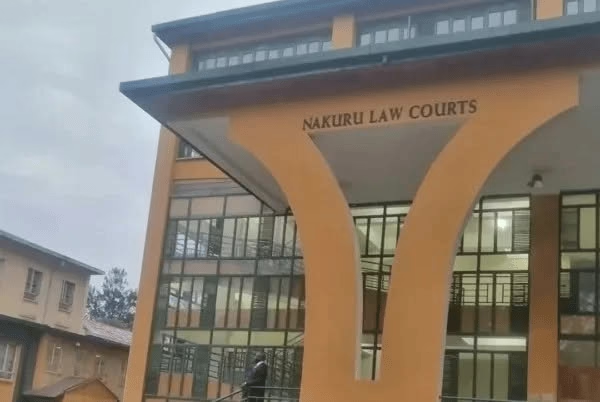
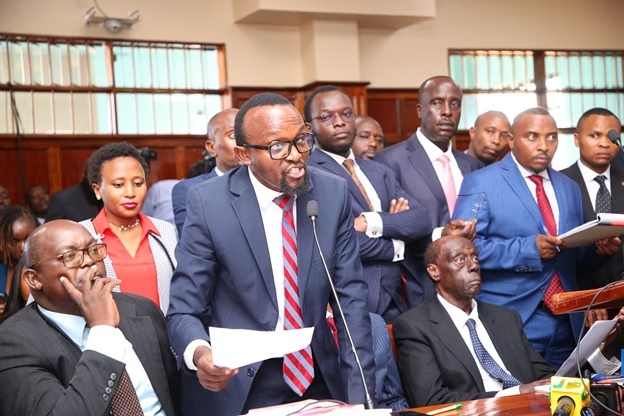
The Presidential Panel of Experts on Compensation of Victims of Demonstrations and Public Protests has responded to legal challenges against its work, stating it operates within the law as an advisory body. In court documents filed at the Kerugoya High Court, the panel’s joint secretary argued that the legal cases against it are premature and based on misunderstandings of its function.
The panel describes itself as a temporary, expert body with a 120-day mandate to gather information and make recommendations. It emphasizes that it does not make binding decisions, distribute money, or investigate criminal culpability. Instead, it characterizes its work as administrative screening to verify victim eligibility for potential humanitarian support.
According to the sworn affidavit, the panel’s role is to collect victim narratives, develop policy recommendations, and propose a framework for reparations that would require parliamentary approval and budget allocation to implement. The document states that any compensation scheme would need to be established by law and implemented by government bodies with the proper mandate and budget authority.
The response addresses specific concerns raised by challengers, including the Kenya National Commission on Human Rights. The panel notes that KNCHR itself has repeatedly called for the creation of a victims’ fund and prompt compensation measures. It argues that its work aligns with these calls by developing recommendations for a lawful compensation structure.
The filing also references international standards, noting that states have a responsibility to provide effective remedies for human rights violations. It cites examples from other countries, including South Africa’s Truth and Reconciliation Commission and Lagos State’s response to the #EndSARS protests, as models where administrative panels successfully recommended reparations within legal frameworks.
The panel characterizes the legal challenges as premature, arguing that courts should only review the constitutionality of any proposed compensation scheme after it has been formally established through proper legislative and executive processes. It maintains that stopping its advisory work now would harm victims who have already come forward seeking support.
The case continues as the court considers arguments from all sides regarding the panel’s constitutional validity and whether its work can proceed.



Leave a Reply