


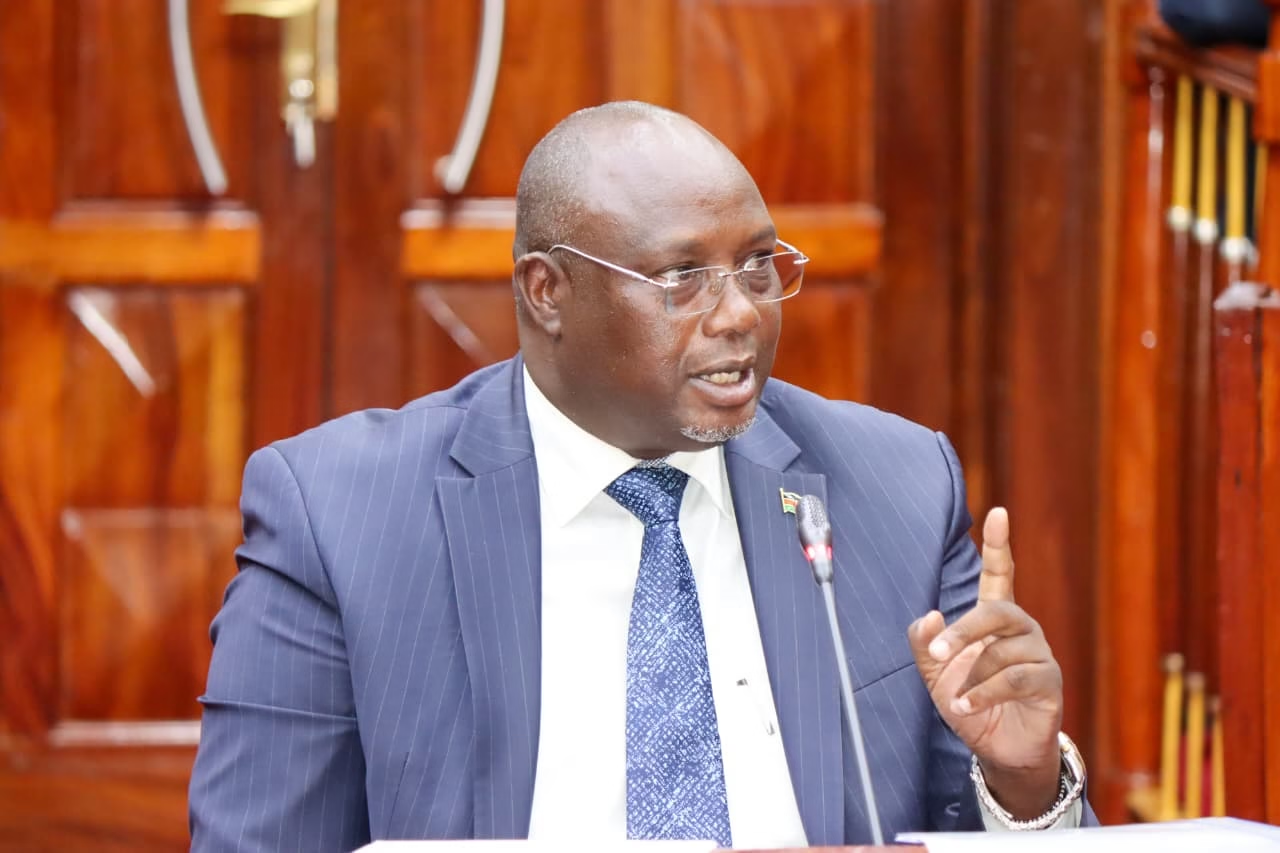
On 27 March 2026, the Government of Kenya published Kenya Gazette Vol. CXXVIII—No. 56, containing a wide range of legal notices affecting governance, land, healthcare, transport, and economic policy.
While Gazette Notices may appear technical, they often introduce decisions that directly impact livelihoods, public services, and economic opportunities.
Below are the most important highlights and what they mean for you.
1. Appointment of Ambassador to Kenya’s Foreign Service
The President appointed Kosiom Frank Ole Kibelekenya as an Ambassador under Article 132(2)(e) of the Constitution.
Why this matters:
Ambassadors represent Kenya internationally and influence:
- Trade and investment opportunities
- Diplomatic relations
- Protection of Kenyan interests abroad
For citizens and businesses, strong diplomatic representation can open doors to global markets and partnerships.
2. Restructuring of the National Economic and Social Council
Significant amendments were made to the structure and functions of the National Economic and Social Council (NESC).
Key changes include:
- The President remains Chairperson, with the Prime Cabinet Secretary as Convenor
- Inclusion of private sector representation
- Addition of up to 15 expert members from diverse fields
- Expanded mandate covering:
- Economic policy
- Job creation
- Debt management
- Climate change and sustainability
- Inequality and social development
Why this matters:
This council directly shapes Kenya’s long-term economic direction. The changes aim to:
- Strengthen policy coordination
- Bring in expert and private-sector input
- Improve planning for jobs, growth, and sustainability
For ordinary Kenyans, this could influence employment opportunities, cost of living, and national development priorities.
3. KSh 6.7 Billion Allocated to Counties for Urban Development
The government approved KSh 6.73 billion for counties under the Kenya Urban Support Programme (Phase Two).
Funds will support municipalities across counties including:
- Kiambu, Kisumu, Nakuru, Machakos, Turkana, among others
- Infrastructure and urban development projects
Why this matters:
These funds will support:
- Urban infrastructure (roads, drainage, public spaces)
- Improved service delivery
- Growth of towns into economic hubs
For residents, this may translate into better living conditions and increased economic activity in urban areas.
4. Multiple Appointments in the Health SectorSeveral appointments and re-appointments were made across key health institutions, including:
- Boards of national referral hospitals
- Medical and dental councils
- Physiotherapy and laboratory boards
- Counsellors and psychologists board
Why this matters:
Leadership in health institutions affects:
- Quality of healthcare services
- Regulation of medical professionals
- Policy direction in the health sector
For citizens, these decisions can influence access to quality and accountable healthcare.
5. Appointment of Board Members to NTSA
New members were appointed to the Board of the National Transport and Safety Authority (NTSA).
Why this matters:
NTSA plays a central role in:
- Road safety enforcement
- Transport regulation
- Policy implementation
For everyday road users, this impacts safety standards, enforcement, and transport systems across the country.
6. Waiver of Interest and Penalties on Settlement Scheme Loans
The government announced a full waiver of interest and penalties on loans under the Land Settlement Fund.
Key details:
- Borrowers will pay only the principal amount
- A 12-month moratorium (until February 2027) to clear balances
- Interest resumes after the deadline on unpaid principal
Why this matters:
This is a major relief for settlers and landowners:
- Reduces financial burden
- Encourages land ownership regularization
- Supports agricultural productivity
For many families, this presents a rare opportunity to clear long-standing land debts.
7. Continued Governance Through Board Appointments Across Sectors
Appointments were also made in:
- Water sector agencies
- Health oversight authorities
- Various regulatory and professional boards
Why this matters:
Boards influence:
- Policy implementation
- Oversight and accountability
- Service delivery in key sectors
Effective leadership at this level determines how well public institutions serve citizens.
Conclusion: What This Means for Ordinary Kenyans
This Gazette Notice reflects ongoing efforts to shape Kenya’s governance, economy, and public services.
Key takeaways:
- Economic planning is being strengthened through reforms to the National Economic and Social Council
- Urban development is receiving major funding, which could improve infrastructure and local economies
- Landowners benefit from debt relief, easing long-standing financial burdens
- Healthcare and transport sectors are being reorganized, which may impact service delivery and regulation
While these changes may seem administrative, they directly affect livelihoods, business environments, and access to services across the country.















Leave a Reply