

A Courtroom Drama with Kenya Watching
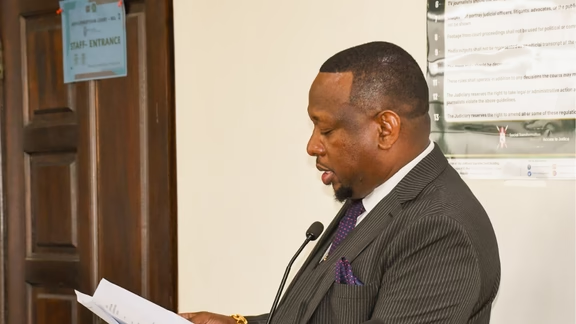
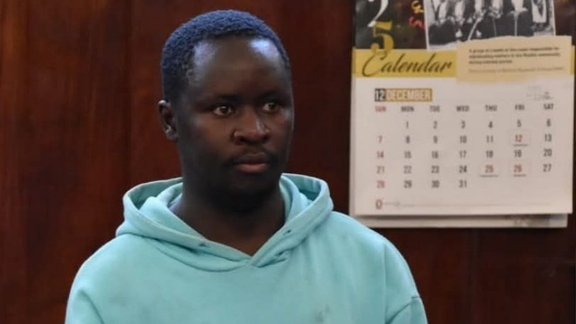
In a quiet courtroom at the Milimani Anti-Corruption Court, former Nairobi Governor Mike Mbuvi Sonko stood before the magistrate and swore to tell the truth. Cameras were absent, but the nation’s attention was present, because this was not just another corruption case.
This was a story about power, public trust, alleged graft, and the long shadow of accountability in Kenya’s devolved governance system.
On Tuesday, Sonko took the witness stand in a graft case that has travelled through multiple courts, rulings, and appeals, becoming one of the most closely watched corruption trials involving a former county boss.
The Case at a Glance
Sonko is facing multiple corruption-related charges, including conflict of interest and procurement irregularities linked to Nairobi City County’s revenue collection systems during his tenure as governor.
At the heart of the case are allegations that he improperly benefited from contracts awarded by the county government, particularly those involving electronic revenue collection services. Investigators previously alleged that public funds were misused and that kickbacks may have been channelled through companies and intermediaries linked to the procurement process.
These allegations reflect broader concerns about corruption in county procurement, a recurring challenge in Kenya’s devolved units, where billions of shillings flow through contracts every year.
From Acquittal to Revival
This case has taken a dramatic legal journey.
Sonko was first charged in January 2020, with the prosecution accusing him of conflict of interest and other graft-related offences linked to revenue collection contracts. The charges were later amended, and the prosecution concluded its case in July 2022.
In December 2022, the trial court initially acquitted Sonko, ruling that the prosecution had not proven its case beyond reasonable doubt. However, that ruling did not end the matter.
The prosecution appealed, and the High Court later found that the trial magistrate had relied on the wrong charge sheet, using the original instead of the amended one. The High Court overturned the acquittal and sent the case back to the Anti-Corruption Court for a fresh ruling.
In January 2025, Anti-Corruption Court Magistrate Hon. Charles Ondieki ruled that Sonko had a case to answer, placing him on his defence.
And now, in 2025, the defence hearing is in full swing.
Sonko’s Defence: “Corruption Fighting Back”
Taking the stand as the 21st defence witness, Sonko sought to paint himself not as a beneficiary of corruption, but as a victim of it.
He presented video footage in court showing him confronting alleged land grabbers and stopping the grabbing of public property, including a school in Kamkunji and land belonging to a water reservoir in Loresho.
His legal team argued that the charges represent “corruption fighting back”, a retaliation against a leader who tried to disrupt entrenched corruption networks in Nairobi.
It is a compelling narrative, one that resonates with many Kenyans who believe that anti-corruption crusaders often face resistance from powerful interests.
The Legal Stakes: Why This Case Matters
Beyond Sonko’s personal fate, this case raises critical legal and governance questions:
- What constitutes conflict of interest for public officials?
- How far can governors influence procurement processes without crossing the line into illegality?
- Can Kenya’s justice system effectively prosecute high-profile political figures?
Conflict of interest cases are particularly complex because they require proof that a public officer improperly benefited from decisions made in their official capacity. This case could set important precedents for how such allegations are prosecuted in Kenya’s devolved governance framework.
A Nation Waiting for Answers
As the defense case unfolds, the courtroom remains a stage for competing narratives, one of alleged corruption and another of political persecution.
For Nairobi residents and Kenyans at large, the trial represents a broader struggle for transparency, accountability, and the rule of law in public office.
The Story Is Still Being Written
The Sonko graft case is far from over. With the defense still presenting its case and a ruling yet to be delivered, the final chapter remains unwritten.
At Legal Express Kenya, we will continue to follow this case closely and keep you updated as the court proceedings progress and the ruling approaches.





Leave a Reply