



Here is a guide on your land and property rights. This article does not constitute legal advice. If you need to buy or sell land, always contact a qualified Lawyer.
Buying or selling land in Kenya?
If you are buying or selling land, it’s important to do it the right way. Start by confirming that the land has a valid title deed and that the seller truly owns it. You can do a simple land search through the Ministry of Lands or online using the ArdhiSasa system. Once you’re sure the land is genuine, both the buyer and seller need to sign a sale agreement, usually with a lawyer present. After that, the buyer pays stamp duty, and the transfer process starts at the land office. In the end, the new owner’s name is added to the title. These steps follow Kenya’s land laws to make sure the transaction is safe and legal.
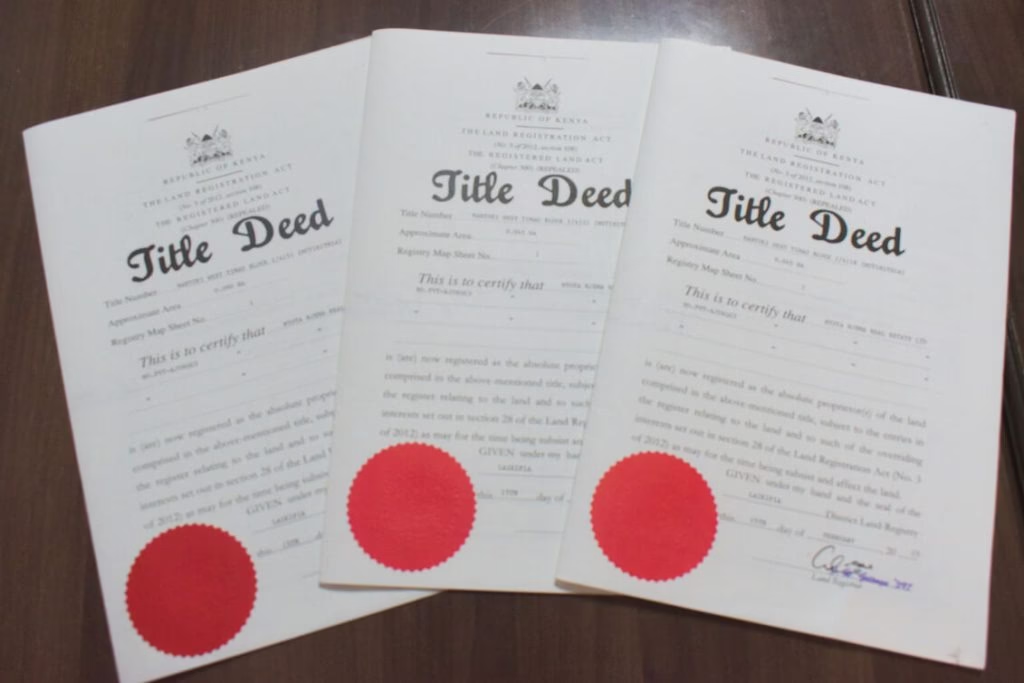
What a title deed means
A title deed is more than just a piece of paper. It’s your proof of ownership. Without it, it’s hard to claim or defend your land. That’s why it’s important to verify that the title is real and not under any dispute. It also helps avoid issues like double sales or land grabbing.
Land Control Board approval
If the land being sold is agricultural, you must get consent from the Land Control Board. This applies to most rural areas. You have six months from the day you sign the sale agreement to get this approval. If you don’t, the sale becomes useless under the law. This rule helps protect agricultural land from being sold without proper checks.
What squatters, tenants and informal settlers should know
Many people live on land without formal documents. If you’ve stayed on land for many years, especially in informal areas, you may still have some protection. Kenya’s Constitution recognizes the right to housing and fair treatment. Courts have sometimes protected such people from being evicted unfairly. A good example is when the courts stopped the eviction of people in the Mitu-Bell case, saying it was against the Constitution.
When and how eviction is allowed
Evictions are allowed by law, but must be done in the right way. The law says people should get enough notice, a reason for the eviction, and time to prepare. It’s not legal to remove people without a court order or to destroy homes violently. The law protects people from being thrown out unfairly, especially where no other place is provided.
Land held under customary law
Some communities in Kenya own land through traditions rather than title deeds. This is called customary land. A community can now register this land under the Community Land Act, which gives them legal protection. This helps stop outsiders from grabbing or misusing land that has been in a family or community for generations.
Land and inheritance
When someone dies and leaves behind land, the land must go through a succession process before it can be shared out. If there’s a will, it guides how the land is divided. If not, the court follows set rules under the succession law. You need a court-issued document called a grant before the land can be transferred to any family member.
Watch out for land fraud
There are many land scams in Kenya. To protect yourself, always do a land search, ask questions, and avoid paying for land without proper documents. Don’t trust agents without verifying their identity. Some fraudsters use fake title deeds or pretend to be landowners. Always use a qualified Lawyer and never rush into deals that seem too good to be true.
Disclaimer: This article is meant to inform the general public, and it does not constitute legal advice!
















Leave a Reply