


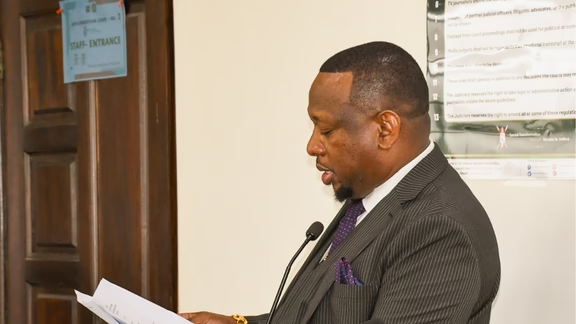
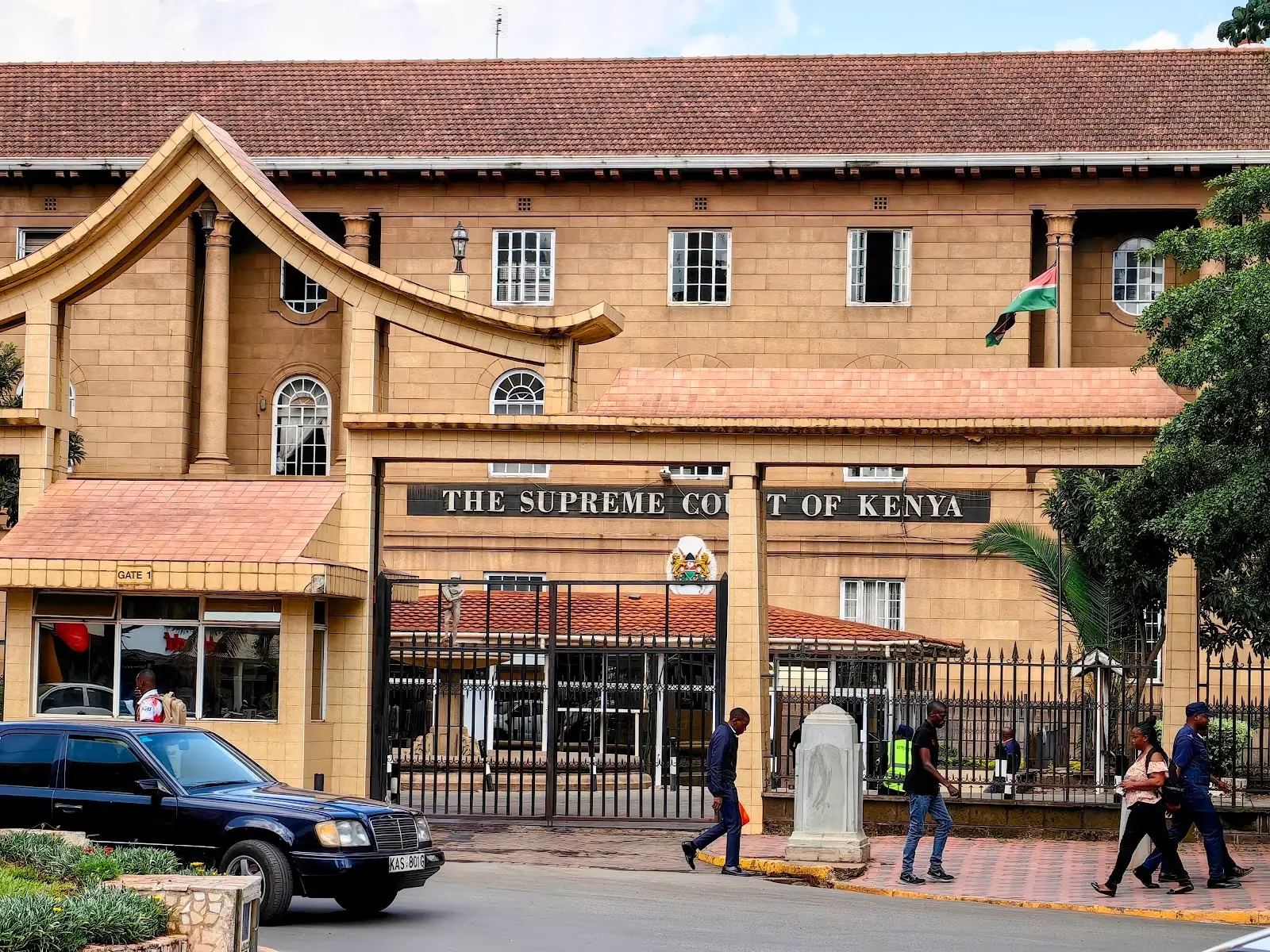
On June 29, 2025, the High Court of Kenya at Nairobi’s Constitutional and Human Rights Division received a petition from the GEMA Watho Association challenging a statement by Interior Cabinet Secretary Onesimus Kipchumba Murkomen. The petition, filed under multiple constitutional articles and international human rights laws, targets Murkomen’s June 26 directive instructing police to shoot anyone approaching a police station with criminal intent. The petitioners argue that this directive violates fundamental rights, including the right to life, and undermines constitutional principles.
The core issue is whether Murkomen’s statement breaches Kenya’s Constitution, the Leadership and Integrity Act, the National Police Service Act, and international human rights obligations. The petitioners assert the directive, issued publicly during heightened protests, incites extrajudicial violence, erodes public trust, and contradicts legal standards for police use of force. They seek declarations of unconstitutionality, mandatory investigations by the Ethics and Anti-Corruption Commission, and orders for the Inspector-General to nullify the directive.
The court’s role is to determine if the statement constitutes a violation of rights and whether Murkomen’s conduct as a state officer warrants sanctions, including potential removal from office. The case invokes the court’s authority under Articles 22 and 258 to protect constitutional rights and address executive overreach.
The petition raises critical concerns about the balance between state authority and individual liberties. Murkomen’s statement, made without legal grounding, risks normalizing unlawful police actions, particularly in a context of documented excessive force. However, the court must also consider the state’s duty to maintain order during volatile protests. The absence of immediate corrective action by state institutions, as noted by the petitioners, amplifies fears of impunity, making judicial intervention pivotal.
In conclusion, the Nairobi High Court faces a significant case testing the limits of executive power and constitutional protections. The petitioners’ call for accountability reflects broader societal demands for lawful governance. See more HERE












Leave a Reply